
For property owners / 3 minute read
Show an occupier what the space can actually do.
Clear information gives a prospective occupier a reason to look more closely.
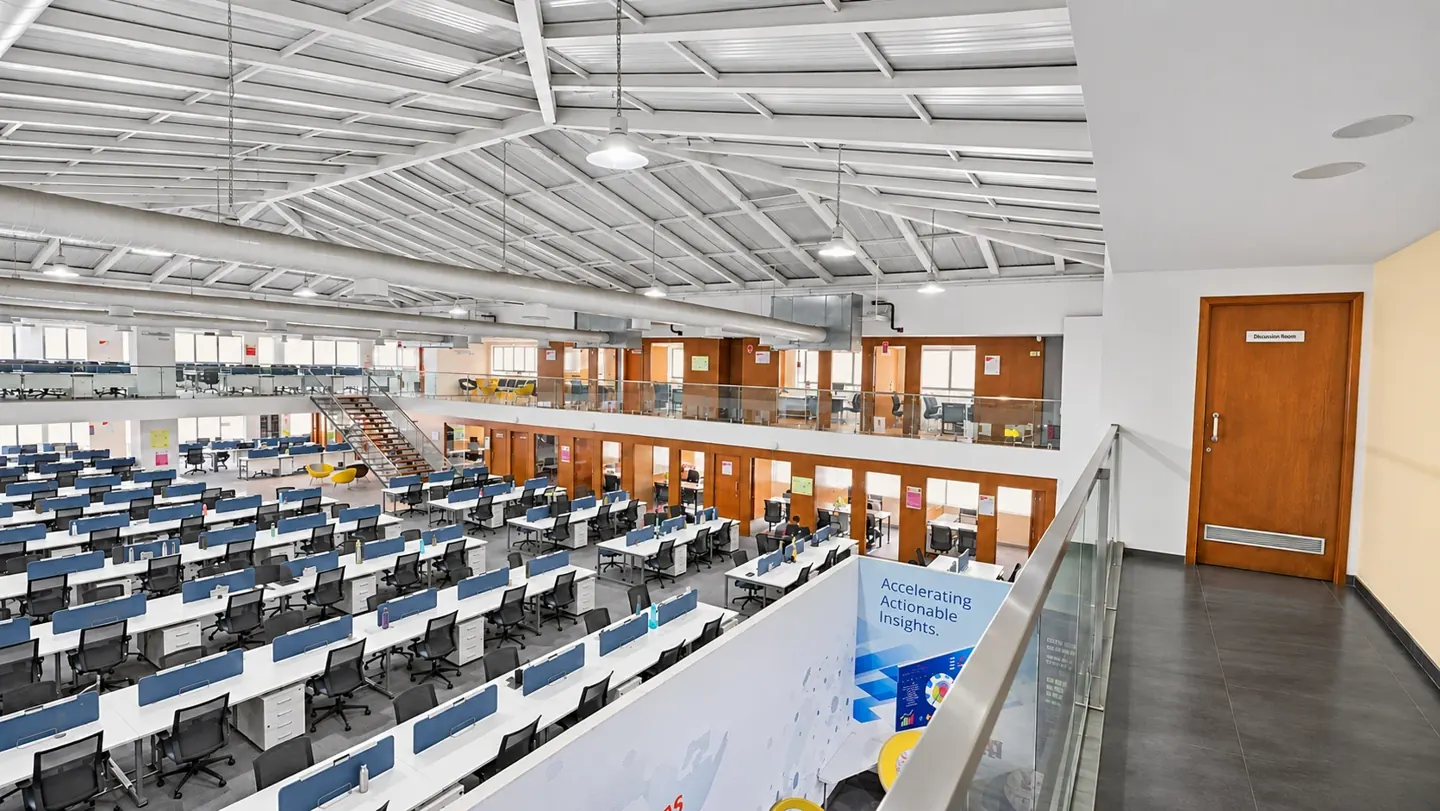
A property introduction does not need a glossy brochure to be useful. It needs an accurate picture of the space, its condition and the arrangement you are offering. An occupier should be able to understand the basics without reconstructing them from separate messages. A clear first pack also makes it easier to identify the questions that deserve a site visit.
Put the basic facts in one place.
Begin with the property name or address, locality, type of space and the area available. If the offer spans several floors, show the area of each floor and state whether they can be considered separately. Use consistent units throughout the pack.
Explain your role in the property. If you are introducing it on behalf of the owner, make that relationship clear. Include the person who can answer practical questions and coordinate a visit, without circulating personal contact details more widely than necessary.
Describe the current condition plainly.
State whether the space is bare shell, fitted or furnished, and explain what is included. Mention work that is underway or still needed. If photographs show an earlier condition, say so rather than leaving the reader to assume they are current.
A short description of access, parking, lifts and relevant building services helps an occupier decide whether to investigate further. For specialist requirements, identify the information available for review instead of making a broad claim that the building can support any use.
Take photographs that answer questions.
Include an exterior or entrance view, the main working areas, enclosed rooms, circulation and relevant shared facilities. A few clear, well-labelled photographs are more useful than many near-identical angles. Show the relationship between spaces wherever possible.
Use current photographs of the actual property. Keep design concepts separate and label them clearly. An occupier needs to know which features can be seen on a visit and which would depend on a later fit-out or improvement.
Make the offer understandable.
Give the expected handover timing and the commercial expectations you are ready to discuss. If something is still open, identify it as a discussion point. This helps avoid a shortlist built around assumptions neither side intended.
Be clear about occupation or access constraints that affect a viewing or handover. A prospective occupier may be able to work around a condition if it is known early. Discovering it late can undo otherwise useful conversations.
Prepare for the next conversation.
Have floor plans, area schedules and relevant property information ready to share through an appropriate channel when requested. Record which questions come up repeatedly; those are often the details your first pack should explain more clearly.
Nextura’s commercial owner leasing route is for Bengaluru properties with 15,000 sq ft or more available. Introduce the space, its condition and timing through that route. The purpose of the first submission is to start an informed discussion, not to make the property sound like a fit for everyone.