
Workspace formats / 3 minute read
Furnished or managed? Ask what happens after move-in.
The furniture is visible. The service scope takes a closer look.
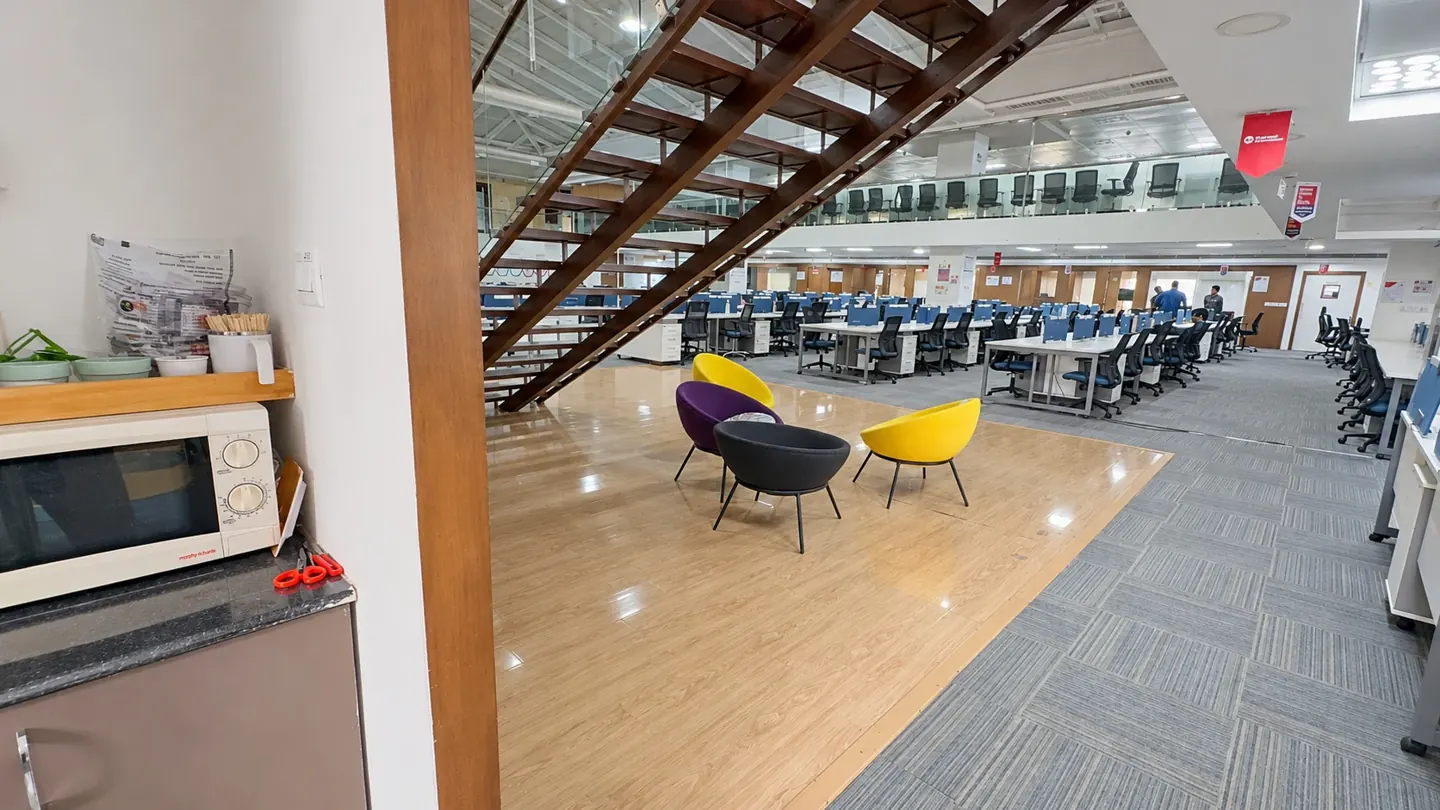
What is physically in place?
How is the workplace run?
A furnished office and a managed office can look very similar during a visit. Both may have desks, meeting rooms and an inviting reception. The useful distinction is what you are taking on after the keys change hands. Think of the first as a question about the physical workplace, and the second as a question about how the workplace is run.
Begin with a written list of inclusions.
For a furnished office, establish which furniture, fittings and systems form part of the handover. A photograph cannot tell you whether the meeting-room equipment, access system or network components are included. Walk through the space and record the things your team expects to use.
For a managed office, do the same exercise with the service package. Ask which day-to-day activities are covered, how often they happen and which requests carry a separate charge. The word managed is the beginning of that conversation, not its conclusion.
Follow one ordinary working day.
Imagine someone arriving early, a client joining a meeting and a team staying late. Who opens the space? Who helps when a meeting room is not ready? How is a maintenance issue reported? Simple examples often reveal more than a long list of amenities.
Ask how service requests are handled and who your team would contact. You are trying to understand the operating arrangement you will live with, including the small matters that can become daily distractions.
Compare the usable space, not just the seat count.
A stated number of seats says little about the quality of the working day. Look at the meeting-room allowance, quiet space, storage, visitor seating and the places where teams can talk without disturbing others. Check whether facilities are dedicated to you or shared.
Consider attendance patterns as well as total headcount. A team that meets in person on the same two days has a different capacity problem from one that spreads attendance through the week.
Decide where you need control.
Some teams want to select vendors, shape the layout and run the workplace themselves. Others prefer a defined service arrangement that reduces the number of operational decisions. Neither preference is inherently better; it needs to match the time and capability inside your business.
Discuss branding, access, visitor procedures, room changes and any specialist infrastructure early. These are practical questions about the way you work, and they can change which format is worth pursuing.
Put the alternatives on the same page.
Create a short comparison with space, inclusions, responsibilities, occupation period and the costs that have been quoted. Leave a visible blank where an answer is still missing. This is more useful than filling the gap with an assumption.
Then ask your team a straightforward question: which arrangement can we operate comfortably? The right choice should fit both the workplace you need and the level of day-to-day involvement you want. Take that answer into the next discussion before becoming attached to a particular address.