
Workplace planning / 3 minute read
Before you look at offices, write this down.
A good brief does not need to be long. It needs to make the decisions that matter visible.
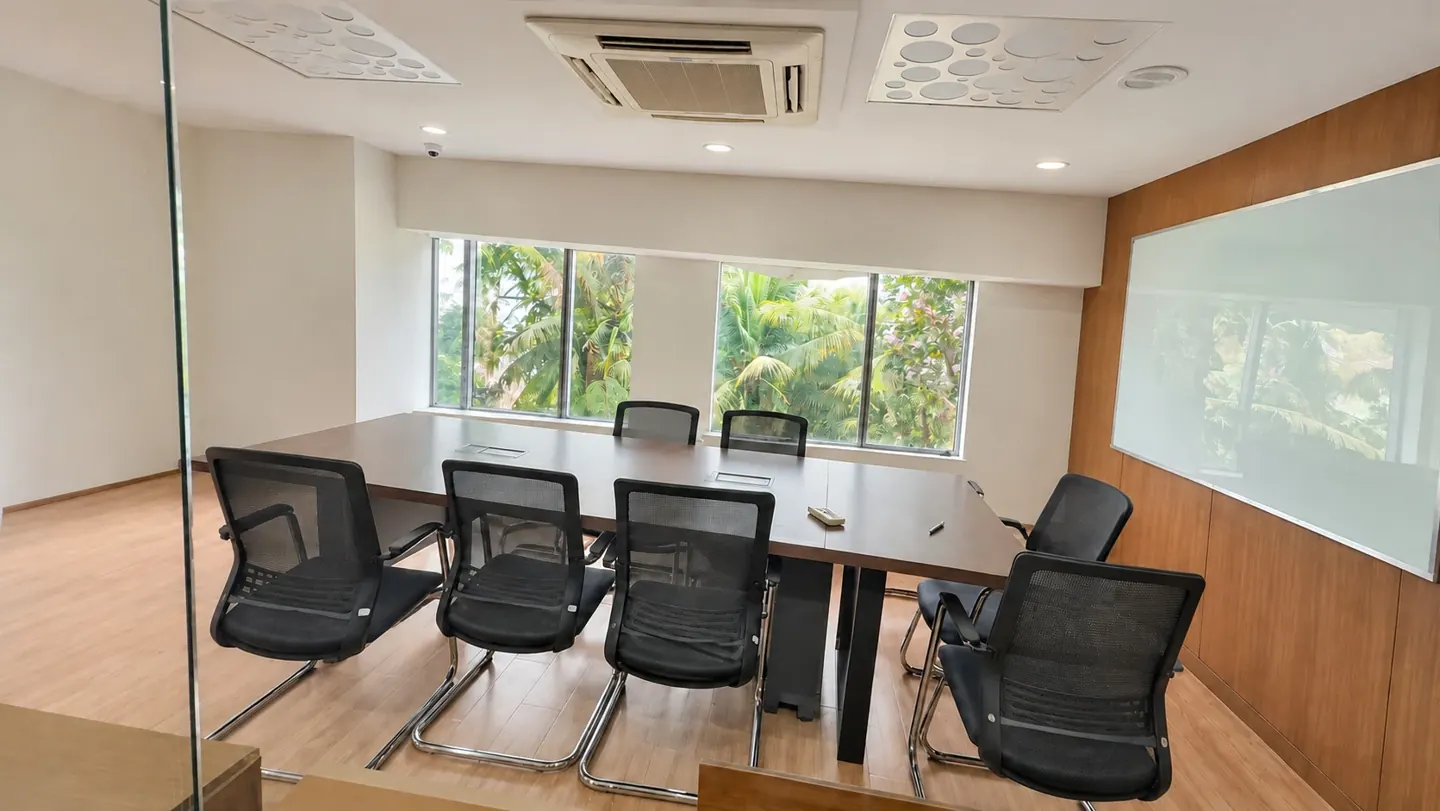
Most office searches begin with an area and a budget. Those are useful starting points, but they leave a lot unsaid. Two teams with the same headcount can need very different workplaces. Before you collect addresses, spend a little time describing the working day the office needs to support. The questions below will make the first conversation much more useful.
Start with the people who will actually be there.
Write down your current team size, the number likely to attend on a busy day and the growth you can reasonably plan for. Keep those three figures separate. An office sized for an optimistic future can carry empty space for a long time; one sized only for today can make the next hiring decision awkward.
Then describe the team. A sales group taking calls, an engineering team needing quiet and a training team bringing in visitors will use the same floor differently. A simple list of activities is more useful than a vague request for a modern office.
Make location a discussion about journeys.
Name the areas you are considering, then explain why. Where do people travel from? How often will clients visit? Are late shifts, deliveries or frequent airport journeys part of the routine? Give your adviser the reason behind a location preference, not just the pin on a map.
Keep one list of preferred areas and another of locations you would genuinely consider. This makes it easier to recognise a suitable option outside the first shortlist without restarting the conversation.
Be specific about what “ready” means.
Furnished can mean different things in different buildings. List what needs to be available on day one: workstations, meeting rooms, connectivity provision, cooling, storage and access arrangements. Identify anything your own team will supply.
If you are open to a bare shell, say how much design and fit-out work you can take on. The condition you accept should fit the time and attention available to deliver the move.
Give the shortlist a clear order of priorities.
Separate must-haves from preferences. A minimum number of enclosed rooms might be essential; a particular reception finish probably is not. Agree this distinction with the people who will approve the space before the first viewing.
Include an indicative budget and ask for the costs to be presented on a comparable basis. You want to understand what is included in each option, not simply which headline figure looks smaller.
Finish with a practical decision route.
Name the person coordinating the search, the people who need to see shortlisted options and the date by which a choice would be useful. A target move-in date is helpful; the decisions that must happen before it are just as important.
Your first brief can fit on one page. Update it after the first few visits, when the trade-offs become easier to see. The aim is not to predict every detail. It is to give everyone involved the same starting point.