
More useful than a headcount alone
Brookefield.
Bring the room list.
People need places to work.
Not all of them look like desks.
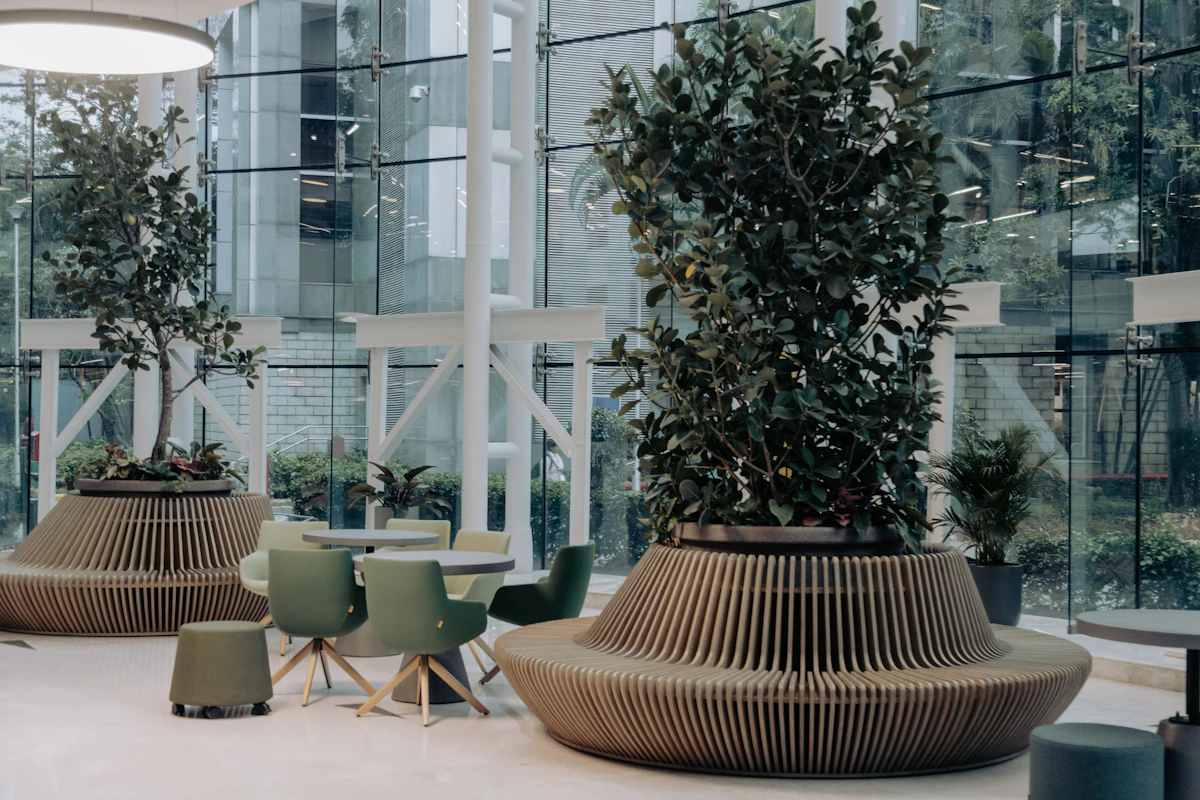

Start with
what happens inside.
Use the room schedule to explain how the office will be used. Then add the part of Brookefield you are considering and the handover condition you can accept.
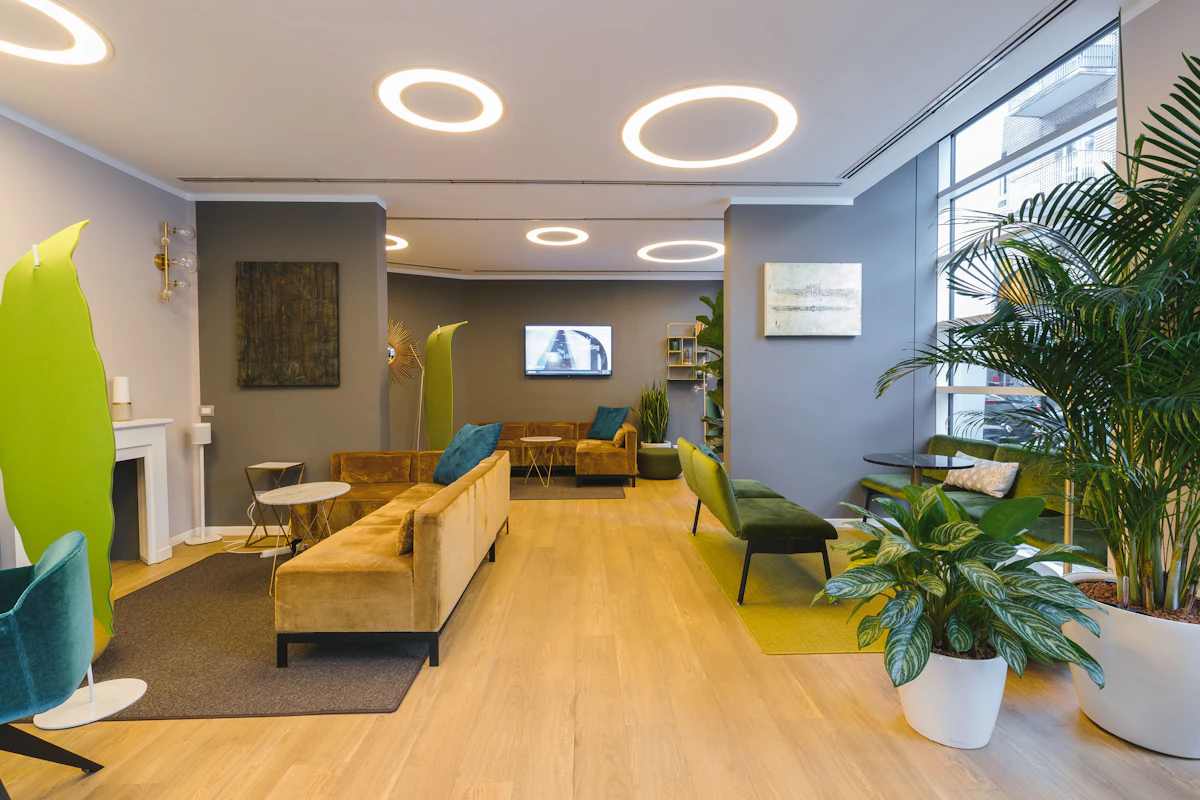
- Work settings
- Peak attendance, dedicated desks and the way teams sit together.
- Focused rooms
- Quiet work, calls and activities that need separation.
- Meeting spaces
- Recurring meetings, visitors, training and presentations.
- Support space
- Storage, technical needs and the everyday facilities around the work.
Brookefield / Before you shortlist
See whether the room list fits the floor.
A Brookefield shortlist becomes easier to assess when the same room schedule is tested against every proposed layout.
Suggested checks for the specific property you are considering.
Use dimensions, not labels
Check whether the rooms accommodate your furniture, equipment and circulation. A room labelled “meeting” may not suit your intended group or presentation setup.
Include the supporting space
Allow for storage, printing, technical equipment and waiting areas where needed. Check whether these are dedicated, shared or still to be created.
List the alterations
Mark the rooms that already work and those needing partitions, services or acoustic treatment. Ask about permissions, responsibility and the time needed for those changes.
Bring to the first discussion
A room schedule with intended uses, a preferred Brookefield pocket and the alterations you can accommodate.
Let’s make it specific
A better room list.
A clearer search.
Tell us how the team uses space, which Brookefield locations you prefer and when the workplace needs to be ready.
Start your Brookefield briefExplore all Bengaluru areas